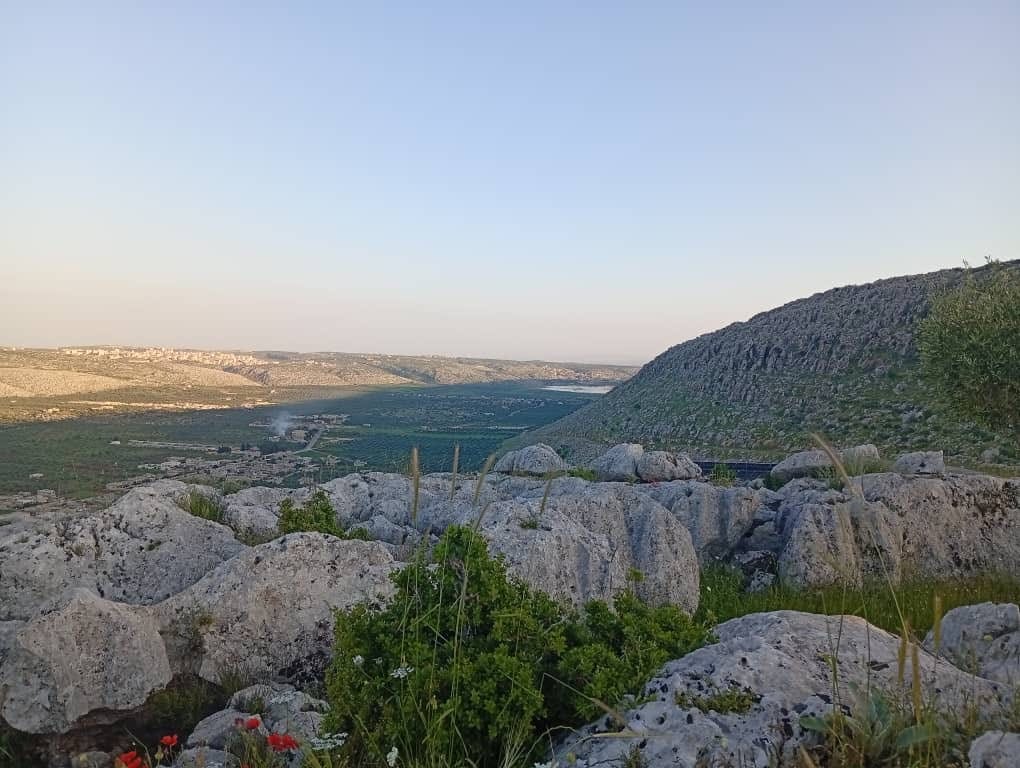
Most media coverage of the Druze in post-Assad Syria has focused on the primarily Druze province of Suwayda’ in south and the massacres committed against Druze communities there last summer by government forces and allied tribal militiamen. There is, however, a much smaller isolated Druze community in the Jabal al-Summaq region of north Idlib countryside, near the border with Turkey. Over many years, I documented the community’s experiences under al-Qaeda affiliate Jabhat al-Nusra and its successor entity Hay’at Tahrir al-Sham (HTS), including the experiences of forced conversions, the massacre in Qalb Lawze in 2015, confiscation of land and property of absentees, settlement of foreigners in the region, and some amends made by HTS to the community in the years just before the fall of the Assad regime in the form of restoring confiscated lands and property.
Some 18 months since the fall of the Assad regime, what is the present situation of the Druze community in Idlib? What are the policies on religious freedom in comparison with the past? How are services and the humanitarian situation? And has the situation in al-Suwayda’ had any ramifications for the Druze of Jabal al-Summaq? Has the region witnessed recruitment of locals into the military and security forces? Below is an interview conducted on 3 June with Issam Ibrahim, a political and civil society activist of the Jabal al-Summaq village of Qalb Lawze. It is edited and condensed for clarity. Parenthetical insertions in square brackets are my own.