

By now, social media and news outlets are awash with a ‘controversy’ surrounding Cambridge University professor ‘star’ Jason Arday, described as the youngest black professor to have ever been appointed at the university. His rise was previously hailed in media with stories about how he only supposedly learned to talk at 11 and read and write at 18.
But the truth is there is no ‘controversy’ around Arday, nor is the case against him a mere matter of ‘allegations’. Rather, it’s a very clear-cut case of serial plagiarism and fraud on the part of the professor, and Cambridge University and those who enabled this man are seeking to cover for him. Arday’s defenders have tried to claim that the criticisms of Arday are primarily if not wholly motivated by racism and political ideology as though that discredits the charges against him, but even if that were the case, their defence of him only confirms the worst stereotypes about ‘wokeism’ and favouring ‘diversity’ over merit in academia.
Virtually all of the initial defence of Arday rests on objecting not to the substance of the charges against him but the identity of the one who first widely publicised those charges: namely, Nathan Cofnas, a philosopher of biology, on the grounds that Cofnas is himself a racist. But even if one were to accept that premise, the substance of the charges raised is independent of Cofnas’ own views of issues of race and politics. Either Arday is guilty of serial plagiarism in the sense of copying words and ideas without appropriate attribution in numerous instances, or he is not.
A key point in Cofnas’ post is that in his 2015 PhD thesis, Arday lifted multiple sentences, sections and ideas from a 2009 PhD thesis by one Paula Zwozdiak-Myers. Assessing this claim does not require subject-matter expertise in the theses of Arday and Zwozdiak-Myers. All a reader needs to do is look at the instances cited in Cofnas’ post (which relied on a plagiarism detection program called Copyleaks) and then see if Arday has offered appropriate citation of Zwozdiak-Myers in those instances. Cofnas’ post gives 36 instances of verbatim copying and close paraphrase. I count 15 citations of Zwozdiak-Myers’ work in Arday’s thesis, nine of these being the 2009 thesis and the remainder being a 2012 book that Zwozdiak-Myers published with Routledge. These statistics alone already raise a suspicion of improper borrowing and use. Now some examples documented by Cofnas with screenshots taken from the files of the theses he linked to.
(i) First instance given by Cofnas, noted as ‘verbatim copying and minor stylistic changes.’
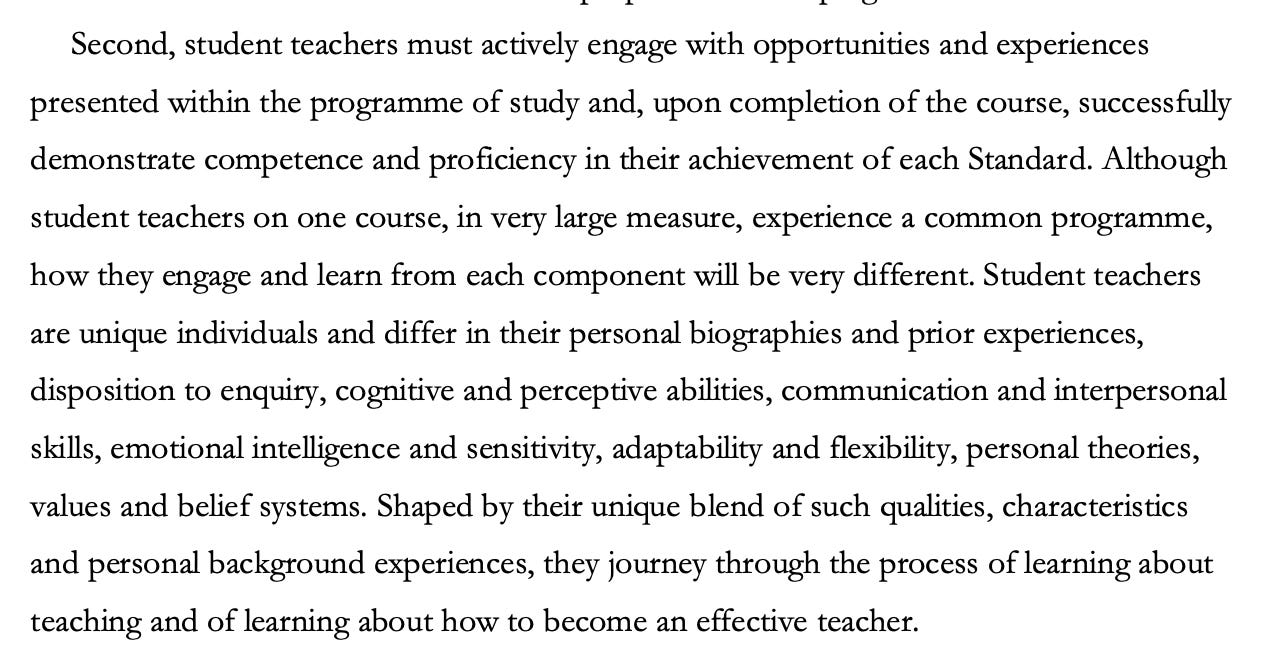
(Zwozdiak-Myers (2009), p. 1).
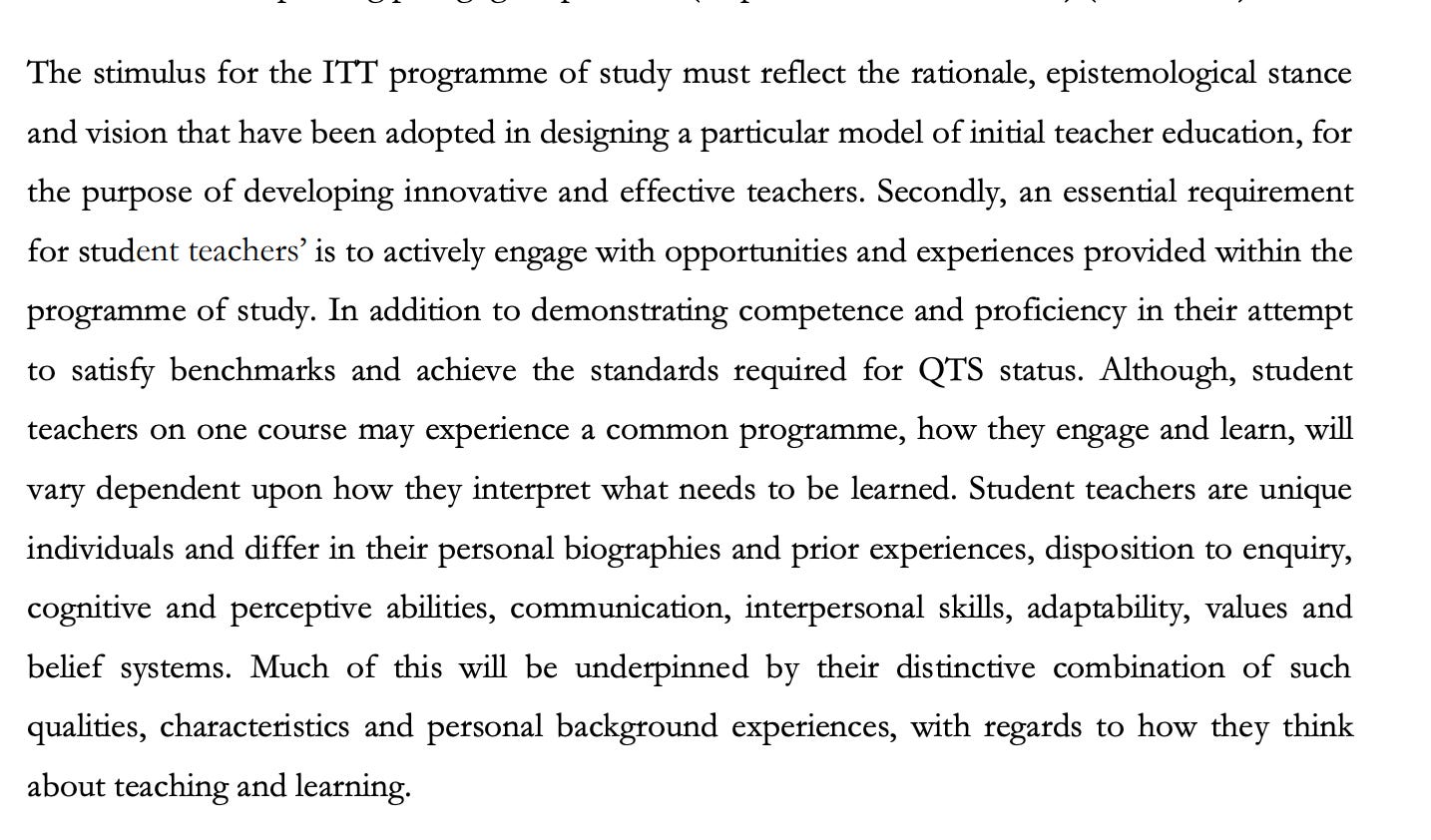
(Arday (2015), p. 17).
Finding: no citation by Arday of Zwozdiak-Myers here.
(ii) Second instance given by Cofnas, noted as ‘verbatim copying and paraphrasing’.
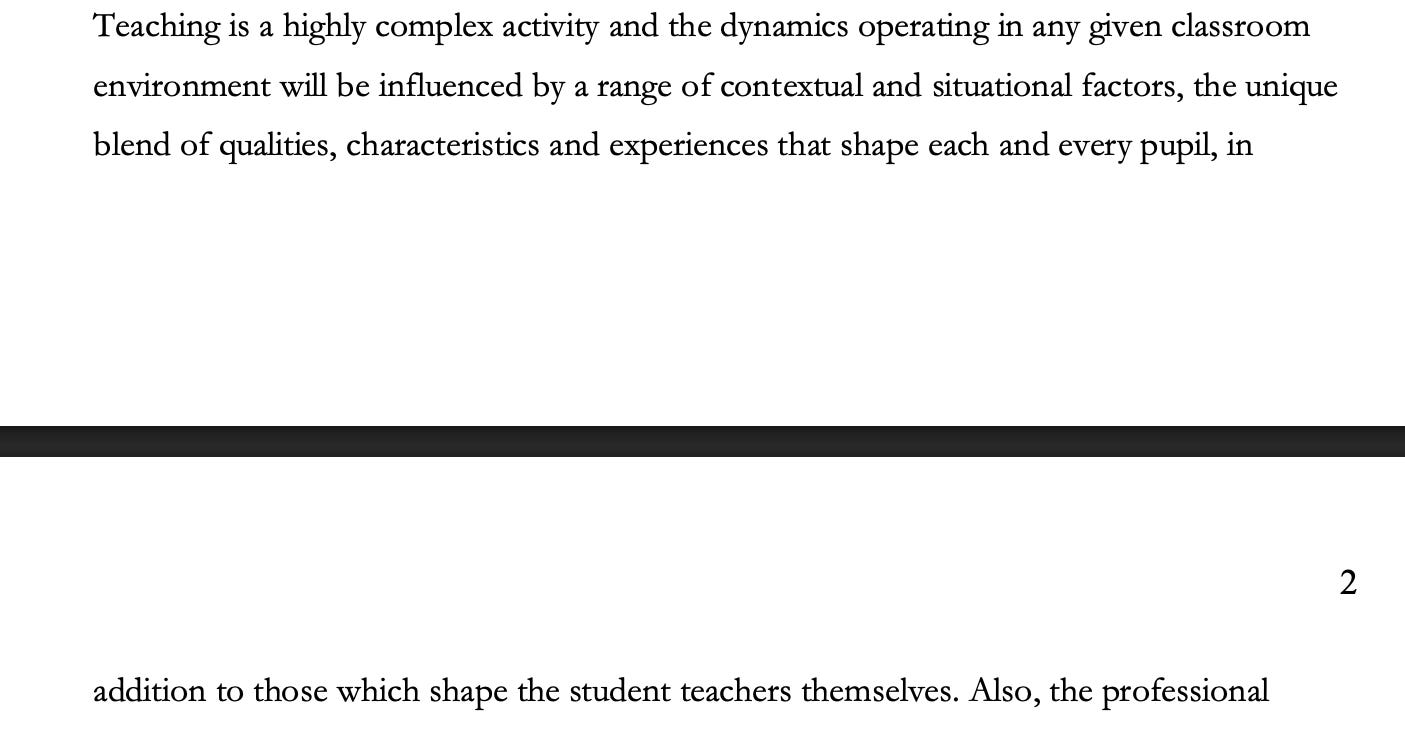
(Zwozdiak-Myers (2009), pp. 1-2).

(Arday (2015), p. 18).
Finding: no citation of Zwozdiak-Myers despite the close parallels in phrasing that clearly points to borrowing from her work. Instead a misleading impression is given based on citation of others.
(iii) Third instance given by Cofnas, noted as ‘verbatim copying and stylistic changes.’

(Zwozdiak-Myers (2009), p. 10).
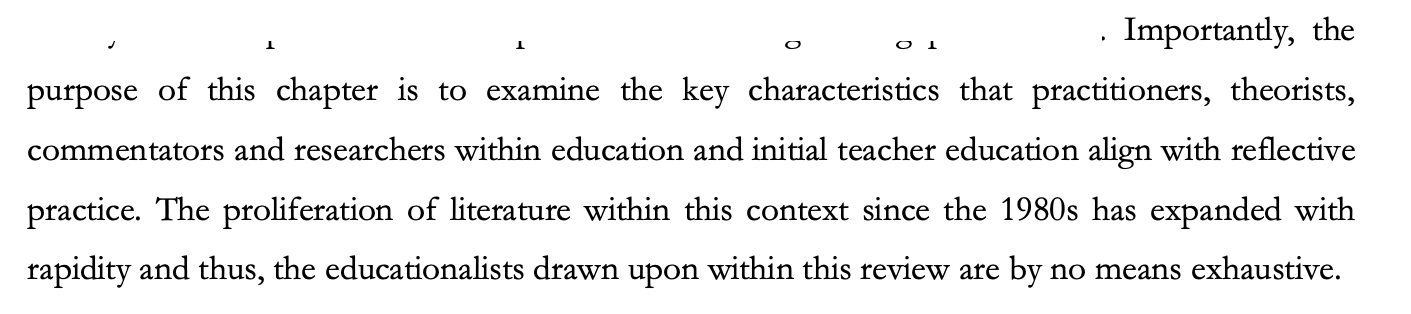
(Arday (2015), p. 35).
Finding: no citation of Zwozdiak-Myers.
(iv) Fourth instance given by Cofnas, noted as ‘verbatim copying and minor stylistic changes.’
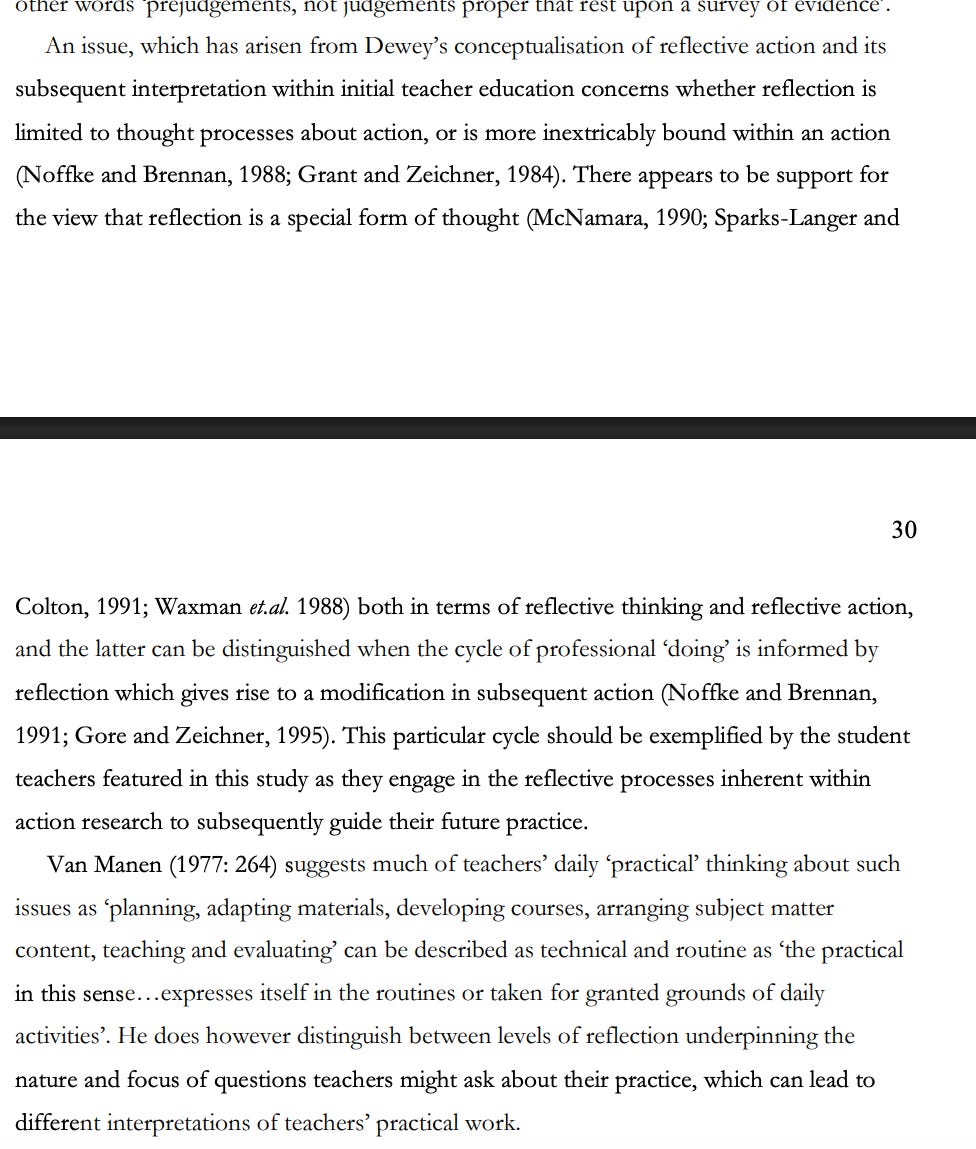
(Zwozdiak-Myers (2009), pp. 29-30).
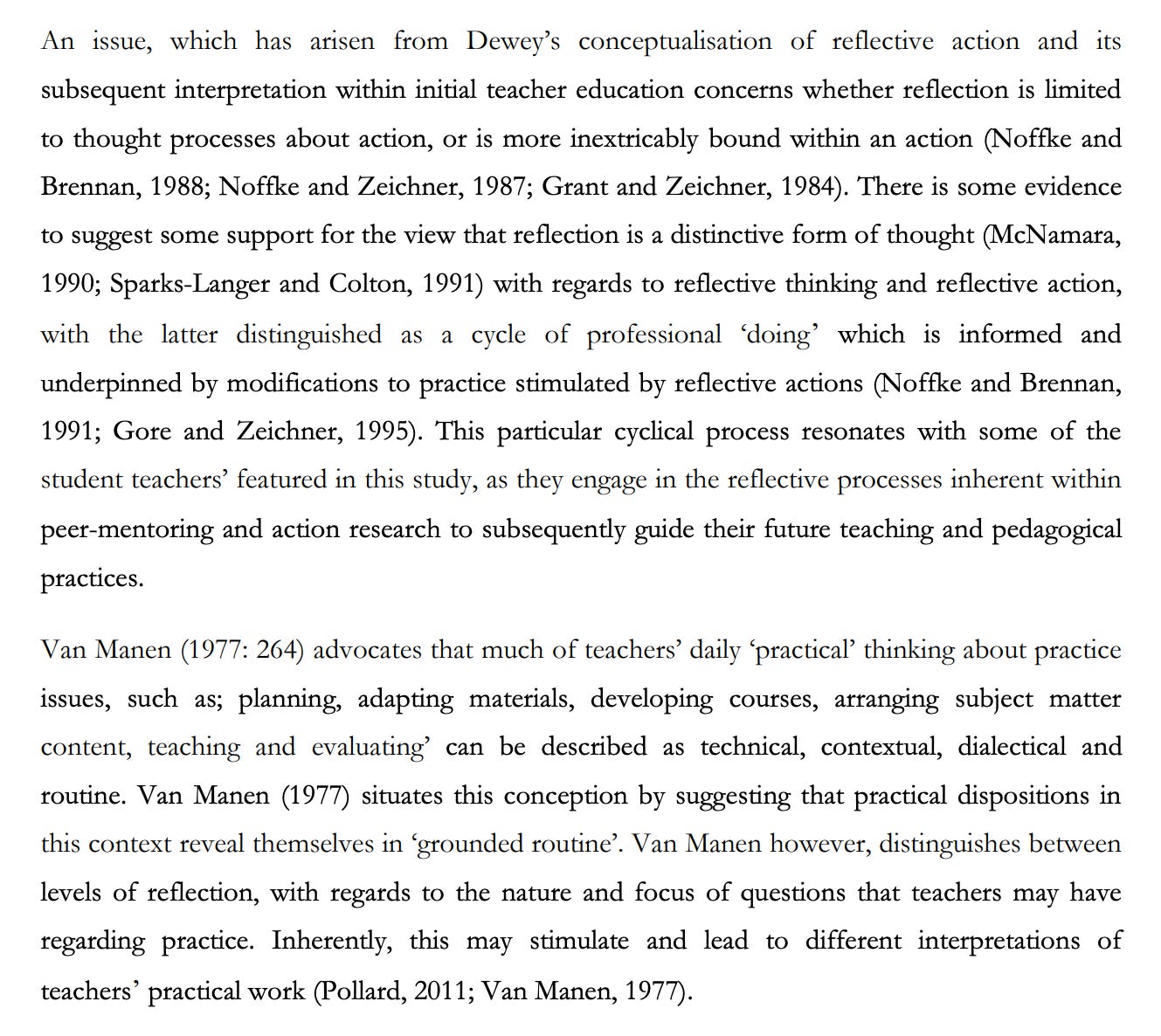
(Arday (2015), p. 53).
Finding: no citation of Zwozdiak-Myers, and it is evident that Arday has not only copied and followed many of her words and phrasing, but also lifted some of her citations and presented them as the product of his own research.
(v) Fifth and sixth instances given by Cofnas, noted as ‘verbatim copying’ and ‘paraphrasing.’
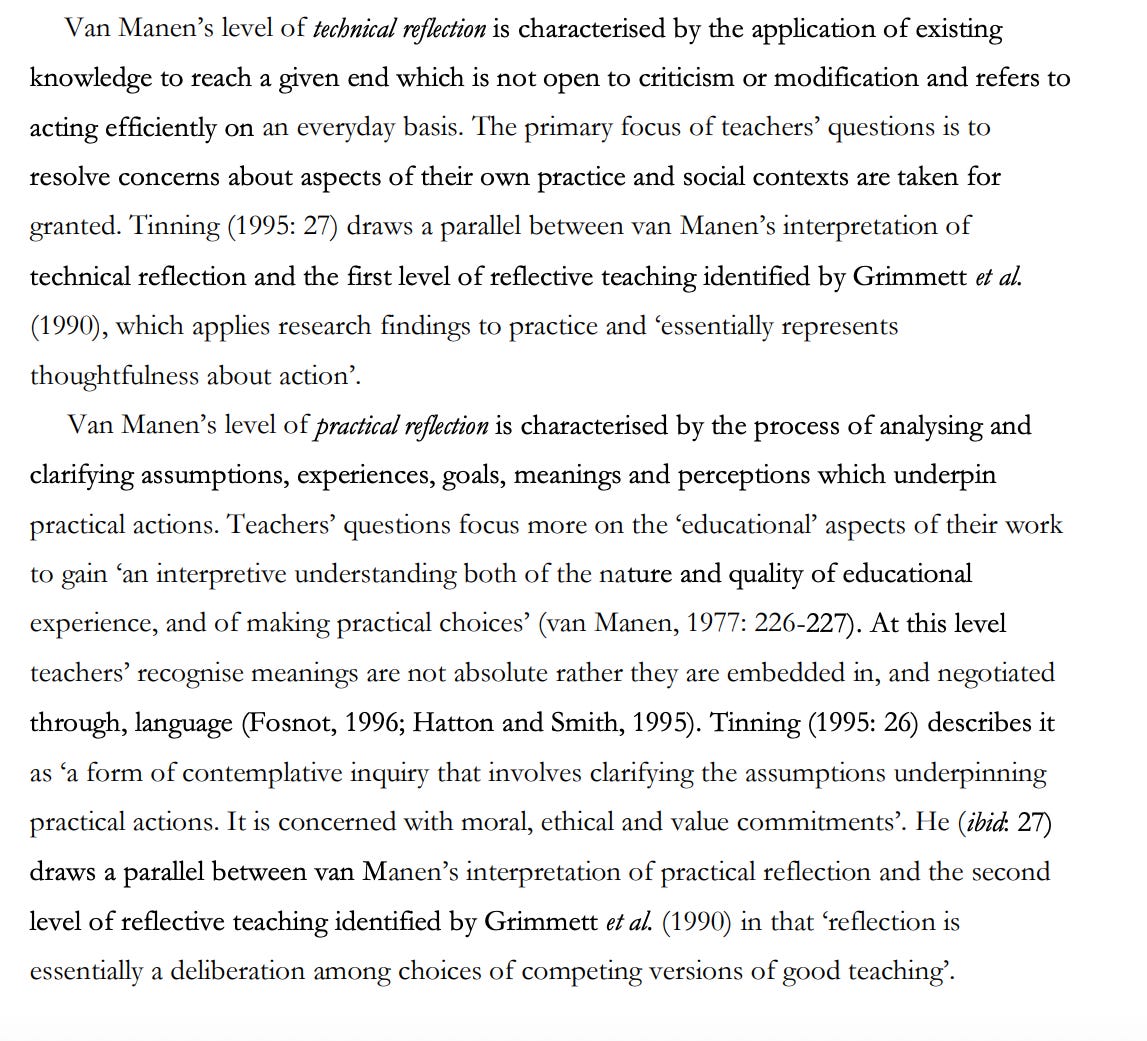
(Zwozdiak-Myers (2009), p. 30).
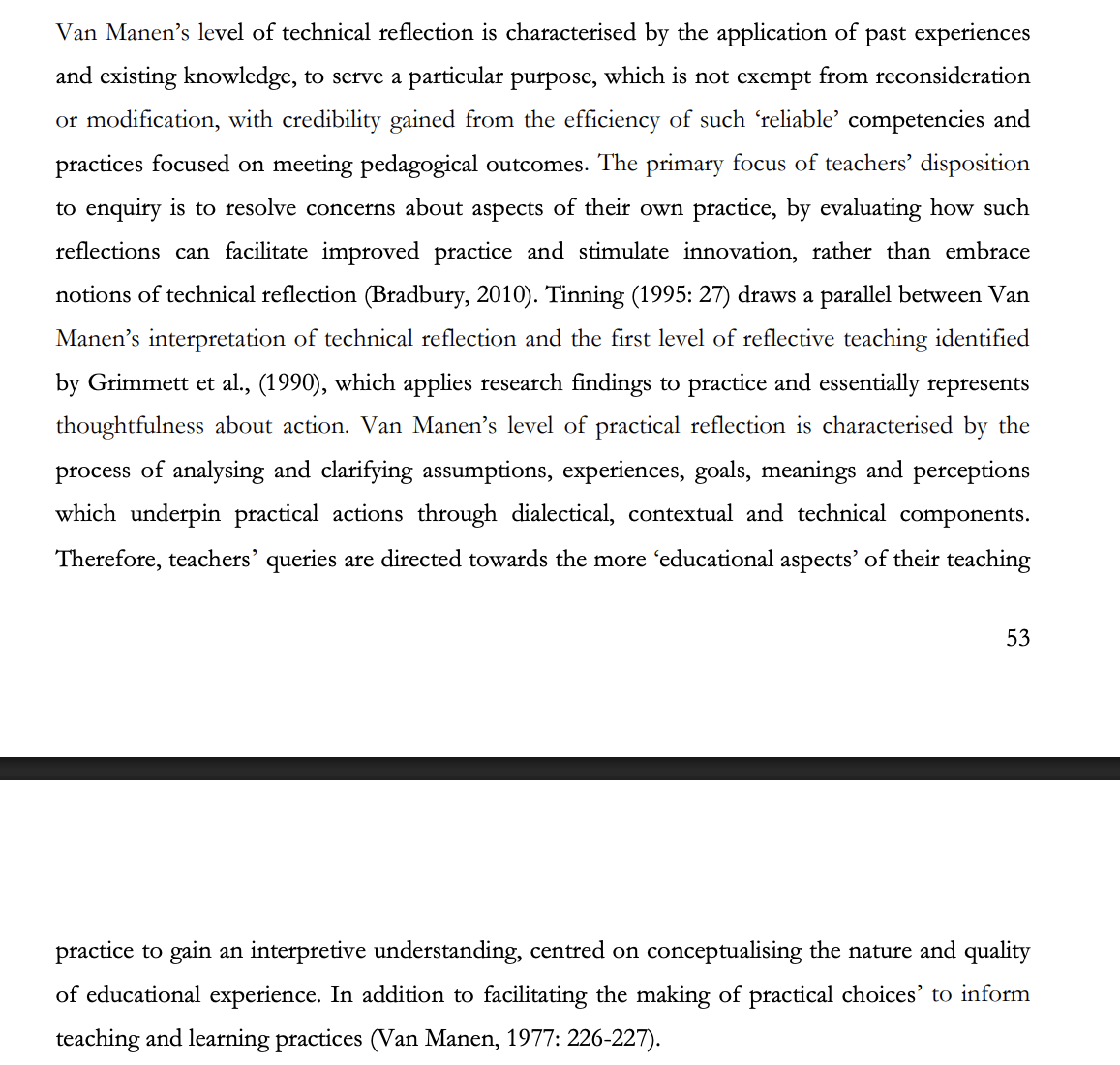
(Arday (2015), pp. 53-54).
Finding: no citation of Zwozdiak-Myers despite copying words and structure, and also taking some of Zwozdiak-Myers’ citations and presenting them as his own.
(vi) Seventh and eighth instances given by Cofnas, noted as ‘verbatim copying, stylistic changes and paraphrasing.’
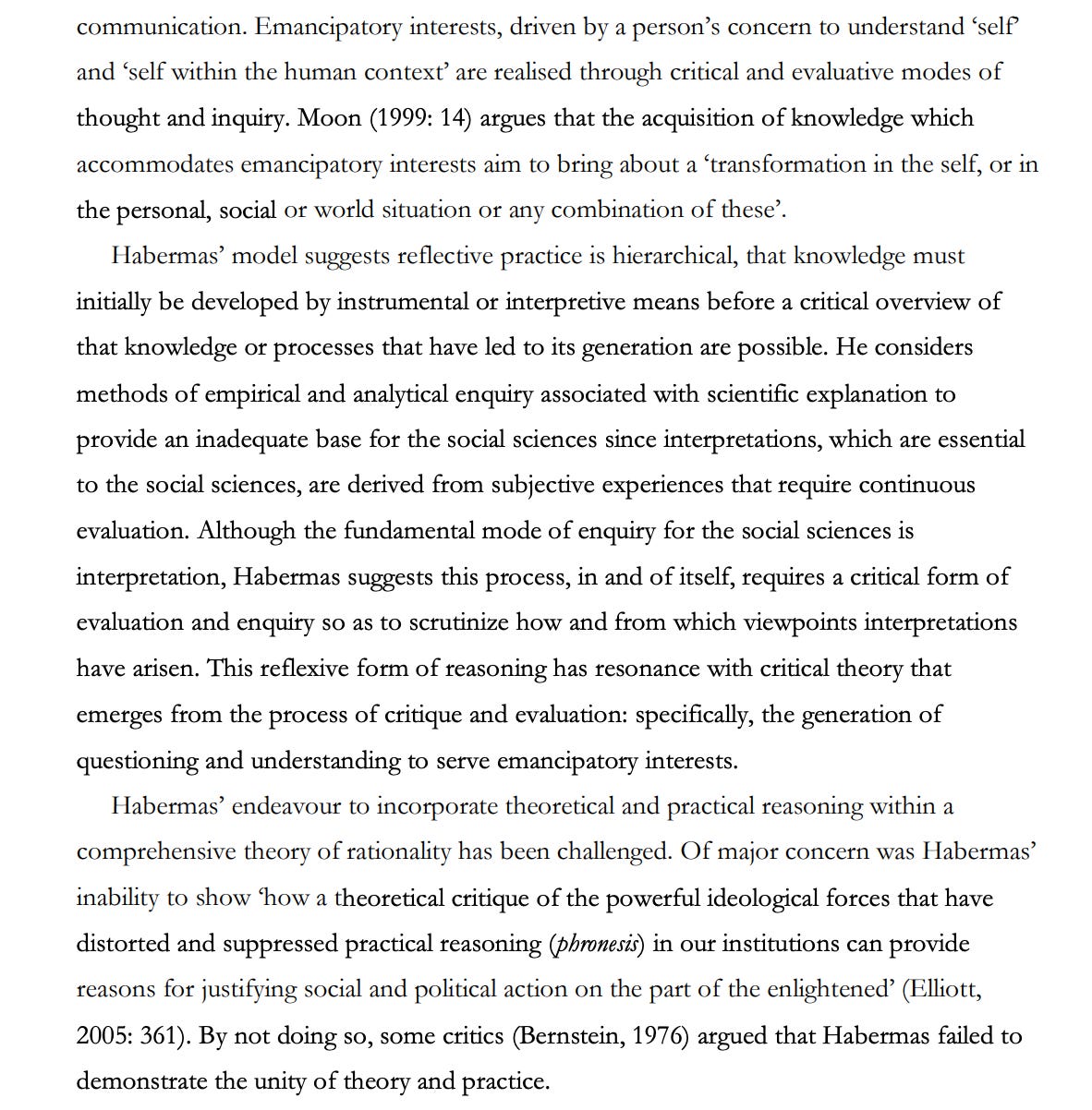
(Zwozdiak-Myers (2009), p. 33).
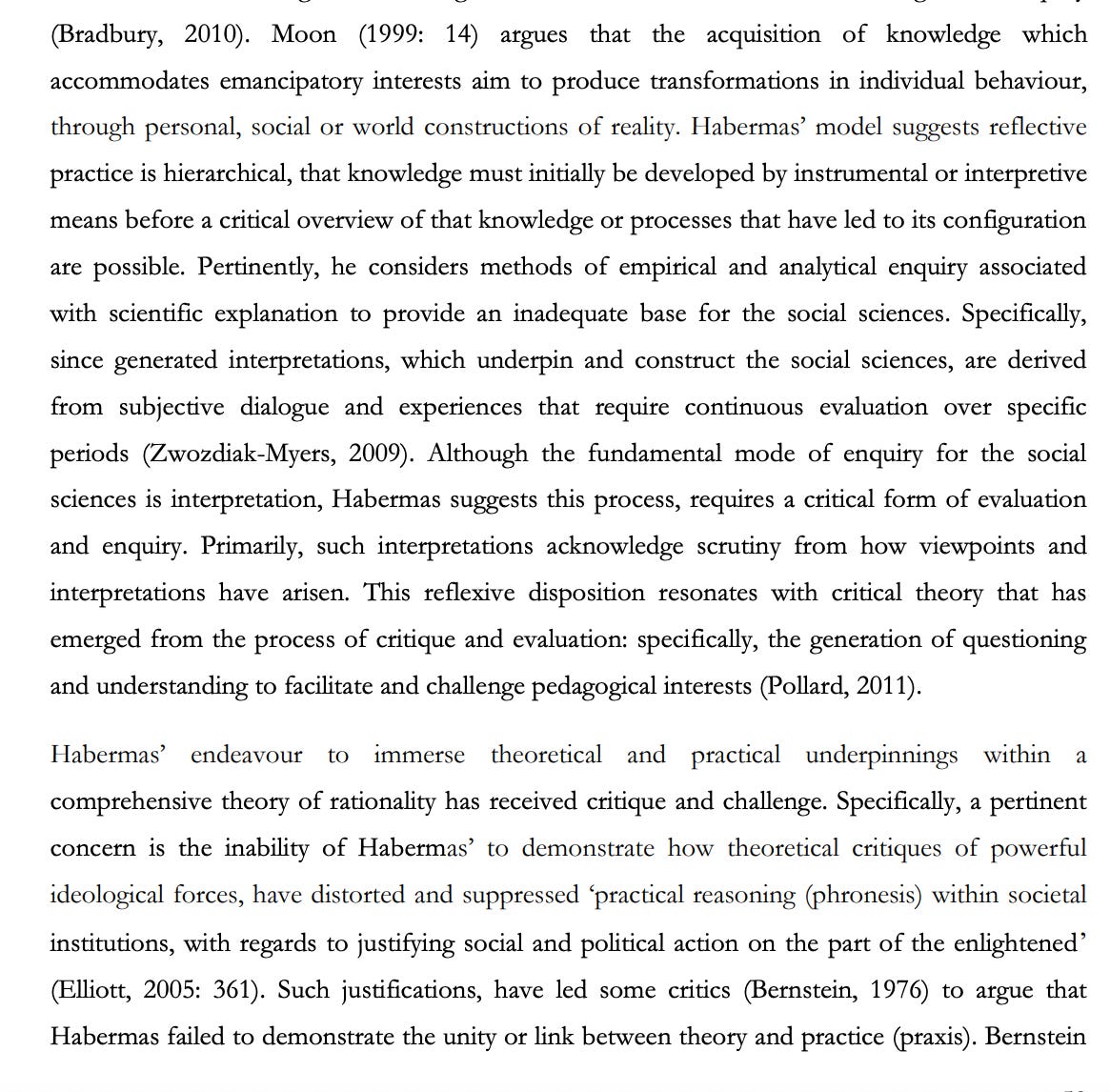
(Arday (2015), p. 58).
Finding: a citation of Zwozdiak-Myers for one sentence but also copying, paraphrasing and taking some of her citations and presenting them as his own research.
(vii) Ninth and tenth instances given by Cofnas, noted as ‘verbatim copying and paraphrasing.’
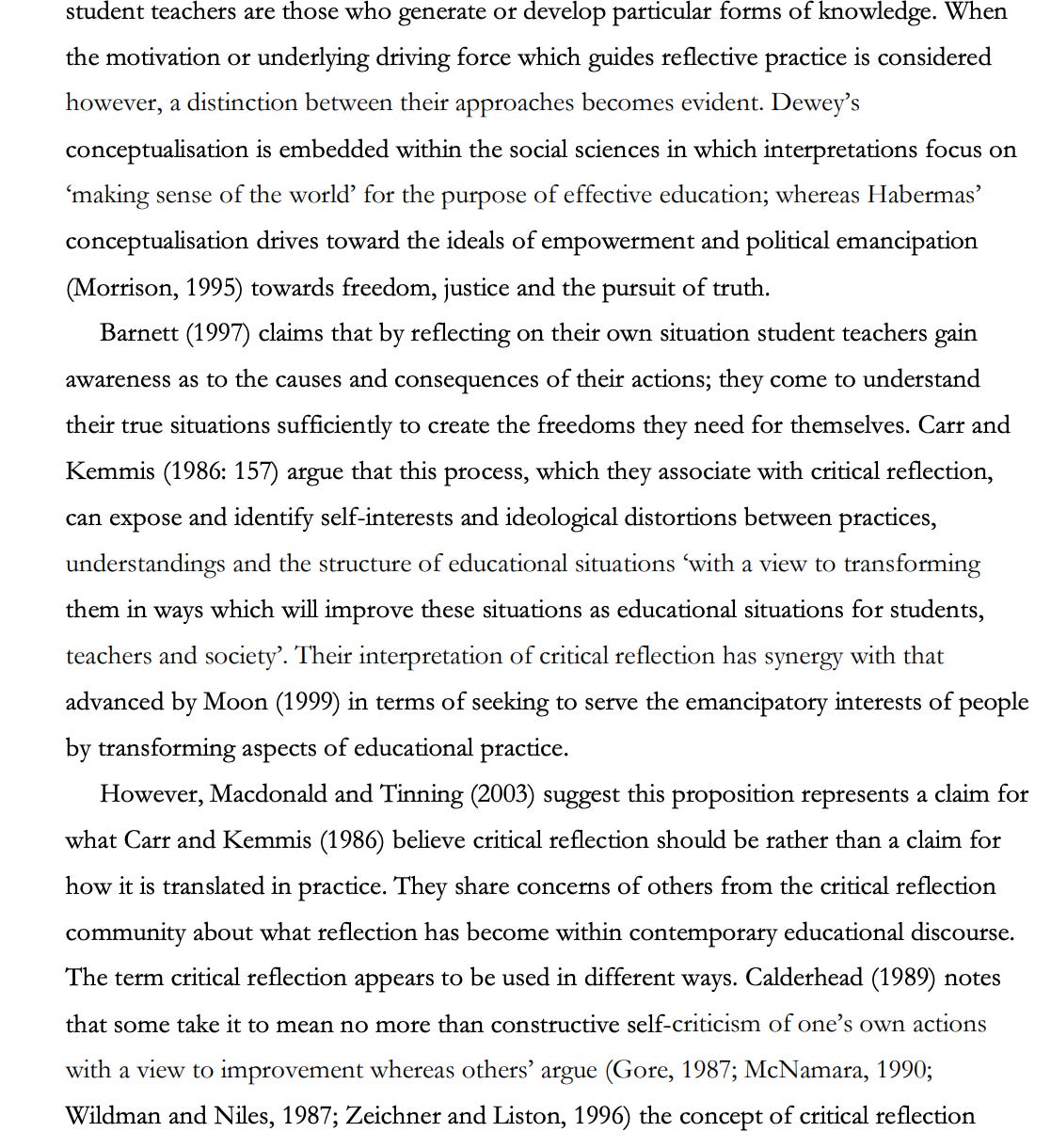
(Zwozdiak-Myers (2009), p. 34).
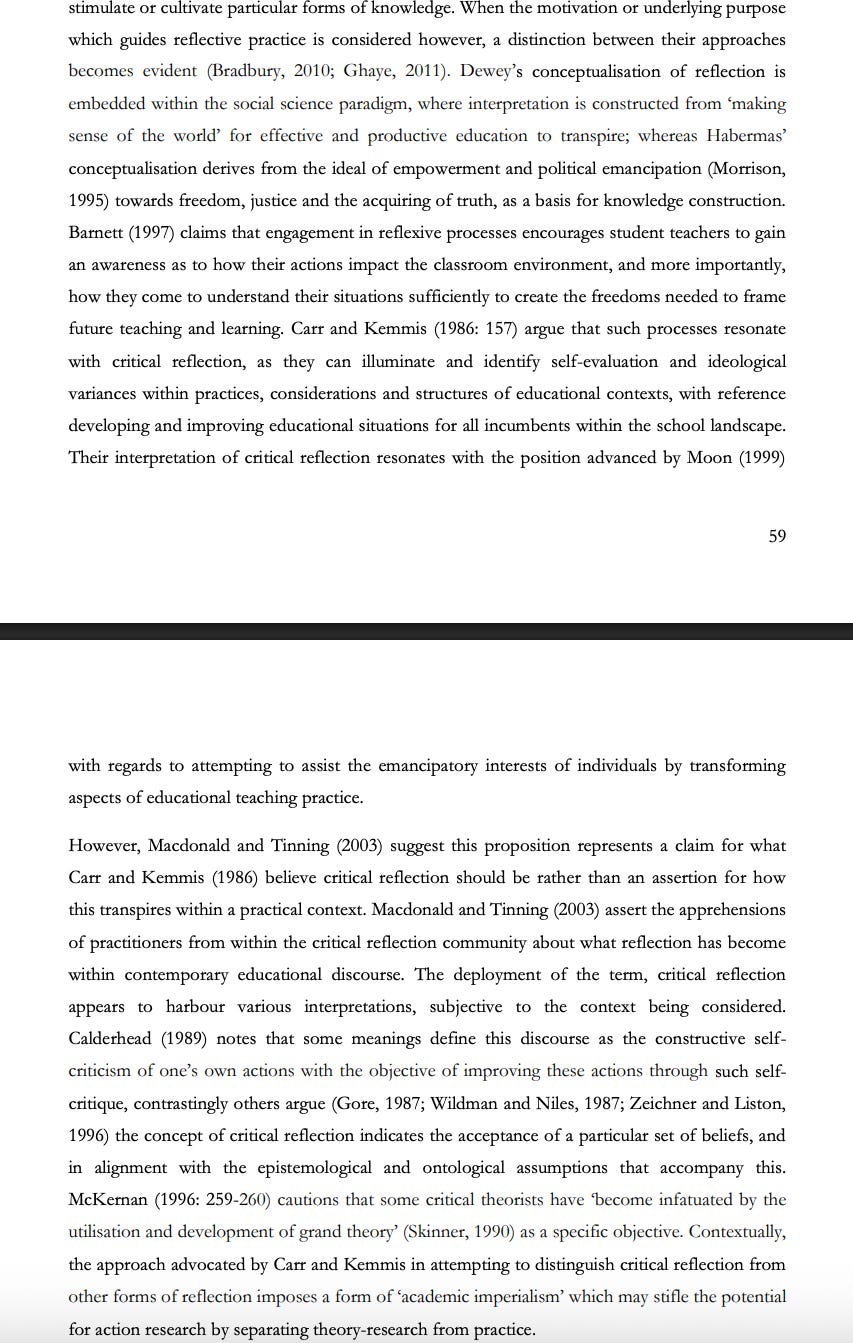
(Arday (2015), pp. 59-60).
Finding: no citation of Zwozdiak-Myers and misrepresentation of some of Zwozdiak-Myers’ citations as his own research. Also padding with other citations to cover up lifting without attribution.
—————————————-
I will not belabour the point and reproduce every instance given by Cofnas, but what is clear here is that Arday has not only copied and closely paraphrased Zwozdiak-Myers’ words and phrases in multiple instances without citing her, but has also- in the process of plagiarising her work- improperly taken multiple citations given in her own work and falsely presented them as his own research on the existing literature. That is research fraud, pure and simple. If someone wants to refute Cofnas’ case, then that person needs to show that he has somehow misrepresented the texts or missed appropriate credit given to Zwozdiak-Myers in the instances cited. But that is not difficult to check. Just access the links to the theses and examine the examples given.
To the extent that any defence of Arday is offered here (e.g. by Alan Lester, a professor of ‘Historical Geography’ at the University of Sussex, who is obviously defending Arday on ideological grounds), it is apparently that:
'He referenced his source many times, in text and in references, making his debt to her explicit & many of the extractions were where both were citing other authors, also referenced. If one went systematically hunting any academic in this way one would find similar.'
There are two problems with this defence. The first is that citing the plagiarised source in some instances, or doing something like paying tribute to that source in opening acknowledgements (which Arday did not do for Zwozdiak-Myers), cannot compensate for or excuse numerous instances in which words, phrasing and research are lifted from that source without attribution.
My own academic specialisation focuses on translating, commenting on and writing introductions to medieval texts. In that sort of business, you are not necessarily expected to produce original insights on those texts but rather engage with the existing scholarship, presenting various findings and arguments scholars have made about e.g. the date of composition, the identity of the author (if anonymous), sources, and some of the themes of the work. If you can respond to the existing scholarship and present some of your own insights on the texts based on your own research, then all the better.
For the translations I have published so far, I have felt compelled to pay tribute to the scholars who have done the most prior work on those texts. For instance, for Rodrigo Ximénez de Rada’s Minor Histories (published by Manchester University Press), I felt greatly indebted to the work German scholar Matthias Maser did on the sources of Rodrigo’s Historia Arabum (‘History of the Arabs’), such that I mentioned him by name in the acknowledgements as a scholar I felt indebted to and cited him multiple times so that I could present the substance of his arguments about the work’s sources (hitherto only available in German, and not readily accessible) to English-speaking audiences. But if I had taken his arguments and findings without proper citation or credit and presented them as my own, then it would not matter if I claimed to be indebted to him in general in the opening acknowledgements or cited him in a few other instances. People would be entitled to say I had plagiarised him.
Now turning back to Arday’s work: there are instances where he cites Zwozdiak-Myers’ work, but it is evident from the examples cited by Cofnas that the reliance on her goes far beyond what Arday was willing to acknowledge. The parallels in phrasing and structure are simply too numerous and too close to dismiss as coincidence.
This of course disposes of the second part of Lester’s defence: that the parallels can somehow be explained by the two authors’ reliance on the same sources. Of course, in the academic field, when scholars are engaging in debate, they will often refer to the same secondary literature, particularly if that secondary literature is deemed of importance in showing the evolution of scholarship on a particular subject over time. But even so, it is normally possible to tell when a person has consulted and used a common source or has lifted the citation of a common source from someone else, copying the other person’s summary and representation of the source without appropriate credit.
For example, if you are interested in how the scholarly debate about the sources of the Historia Arabum evolved over time, you will likely see citation of Claudio Sánchez-Albornoz’s discussion of the matter as contained in his work With regards to the origins of feudalism (En torno a las orígenes del feudalismo). Juan Fernández Valverde, who wrote the introduction (in Spanish) to the modern critical edition of the original Latin texts of the Minor Histories, summarised Sánchez-Albornoz’s arguments as follows (my translation, with parenthetical insertions in square brackets my own):
'He [Sánchez-Albornoz] reached the conclusion that, for the period in question [the Spanish Umayyads], our author’s version fluctated between al-Bayan al-Mughrib of Ibn Idhari and al-Kamil fi al-Tarikh of Ibn al-Athir, though noting that the Toledan’s relationship with these two compilations was limited to the level of the stories. Nonetheless, Sánchez-Albornoz believed that the relation between the three authors could not have been direct but rather came from common knowledge of the so-called Chronicle of the Moor Rasis'- (Historiae Minores & Dialogus Libri Vite (1999), Introduction, p. 26).
Now, for comparison, what I wrote about Sánchez-Albornoz’s arguments in my study on the Minor Histories:
'For example, Claudio Sánchez Albornoz proposed that, for the period between ʿAbd al-Rahman I (d. 788 CE) and the beginning of ʿAbdallah’s reign (commenced in 888 CE), Rodrigo likely relied on Ahmad al-Razi. He observed that the Historia Arabum “oscillates” between Ibn ʿIdhari and Ibn al-Athir for the period in question: that is, sometimes it is closer to the former, and sometimes to the latter, and sometimes also it differs from the two in precise details. He then noted the same problems of supposing Rodrigo’s reliance on Ibn ʿIdhari and Ibn al-Athir that we have mentioned in the preceding paragraph, and also noted that, in some instances where al-Razi is directly quoted in Arabic sources, parallels can be drawn with Rodrigo’s work.
In addition, he highlighted that there was evidence for the circulation of al-Razi’s work in Christian Spain, as the book appears to be mentioned in one instance in Latin as liber Rasis and the book was translated into both Portuguese and Castilian/Old Spanish, though only the Castilian version survives and not for the period in question here'- (Rodrigo Ximénez de Rada’s Minor Histories, p. 68).
One does not need to be an expert on medieval history to note that my use of Claudio Sánchez-Albornoz’s work here does not simply copy or paraphrase Valverde’s summary of it, but rather I made the effort to consult Sánchez-Albornoz’s work myself and see what his arguments were and present them in more detail. In general, in the field of academic literature, I would suggest it is best practice if possible to consult sources for yourself rather than always assume that other writers’ summaries or paraphrases of them are correct. Errors do happen and it may be that other writers do not do full justice to a cited source’s data and arguments.
In general, the same sort of reasoning cannot be applied to Arday and the numerous parallels with Zwozdiak-Myers’ work. It is simply too improbable that Arday somehow used the exact or almost exact same wording in multiple instances of reporting on and summarising the work of other scholars. Nor can the parallels be explained by phenomena like common idioms, or scholars independently arriving at the same conclusions. Rather, it is clear that he frequently copied Zwozdiak-Myers’ work and sought to give the false impression that he had consulted her citations in those instances. In some instances also, he has tried to disguise plagiarism of Zwozdiak-Myers’ work by padding her phrasing and words with separate citations, or an occasional small padding of additional detail from the same or another citation. In case it’s not clear, some examples from Cofnas’ dataset:
(i)
'There appears to be support for the view that reflection is a special form of thought (McNamara, 1990; Sparks-Langer and 30 Colton, 1991; Waxman et.al. 1988) both in terms of reflective thinking and reflective action and the latter can be distinguished when the cycle of professional „doing‟ is informed by reflection which gives rise to a modification in subsequent action (Noffke and Brennan, 1991; Gore and Zeichner, 1995).'- Zwozdiak-Myers.
'There is some evidence to suggest some support for the view that reflection is a distinctive form of thought (McNamara, 1990; Sparks-Langer and Colton, 1991) with regards to reflective thinking and reflective action, with the latter distinguished as a cycle of professional ‘doing’ which is informed and underpinned by modifications to practice stimulated by reflective actions (Noffke and Brennan, 1991; Gore and Zeichner, 1995)'- Arday.
(ii)
'Van Manen (1977: 264) suggests much of teachers’ daily ‘practical’ thinking about such issues as ‘planning, adapting materials, developing courses, arranging subject matter content, teaching and evaluating’ can be described as technical and routine as ‘the practical in this sense…expresses itself in the routines or taken for granted grounds of daily activities’. He does however distinguish between levels of reflection underpinning the nature and focus of questions teachers might ask about their practice, which can lead to different interpretations of teachers’ practical work'- Zwozdiak-Myers.
'Van Manen (1977: 264) advocates that much of teachers’ daily ‘practical’ thinking about practice issues, such as; planning, adapting materials, developing courses, arranging subject matter content, teaching and evaluating’ can be described as technical, contextual, dialectical and routine. Van Manen (1977) situates this conception by suggesting that practical dispositions in this context reveal themselves in ‘grounded routine’. Van Manen however, distinguishes between levels of reflection, with regards to the nature and focus of questions that teachers may have regarding practice'- Arday.
(iii)
'Tinning (1995: 27) draws a parallel between van Manen’s interpretation of technical reflection and the first level of reflective teaching identified by Grimmett et al. (1990), which applies research findings to practice and ‘essentially represents thoughtfulness about action’. Van Manen’s level of practical reflection is characterised by the process of analysing and clarifying assumptions, experiences, goals, meanings and perceptions which underpin practical actions'- Zwozdiak-Myers.
'Tinning (1995: 27) draws a parallel between Van Manen’s interpretation of technical reflection and the first level of reflective teaching identified by Grimmett et al., (1990), which applies research findings to practice and essentially represents thoughtfulness about action. Van Manen’s level of practical reflection is characterised by the process of analysing and clarifying assumptions, experiences, goals, meanings and perceptions which underpin practical actions through dialectical, contextual and technical components'- Arday.
———————————
There are certain cases where I think plagiarism can be forgiven, and it need not always be a cardinal sin leading to eternal damnation. If a writer is very young (e.g. at undergraduate or high school level) and perhaps does not understand rules of proper citation, and is able to learn the lesson from a private reprimand and go on to produce useful, original work with proper citations, then I do not think that youthful mistakes should be held against him/her. Similarly, if the instances of plagiarism had been no more than a few isolated instances in an otherwise original work of great scholarly value, it would be appropriate to give the benefit of the doubt and chalk things down to innocent mistakes and sloppiness.
I also take a somewhat historically relativist view about plagiarism. In medieval Iberian historiography, for instance, copying of prior sources or contemporaries was quite a common practice, and rather than simply seizing on that to say ‘Haha, so-and-so was a plagiarist’ and dismiss a work entirely, we can look at the copying in closer detail and ask further questions: what has the author copied from a source, what has he left out and what has he altered? What does the copying of a source tell us about the text’s transmission and the regard for it in a certain environment? And maybe in 700 years or so, if the thesis of Arday still survives, perhaps a historian will want to look at the whole saga as part of a dissertation on plagiarism in the 20th and 21st centuries.
In any case, I don’t see how Arday can be forgiven here, particularly in light of his own attempts to shut down concerns raised and intimidate those who question him. The PhD thesis is supposed to signify a key aspect of your training as an academic: to produce a substantive piece of original research. Plagiarism to this extent and at this level is simply fraud and a betrayal of the essence of the PhD, and thus Cambridge cannot dismiss the thesis as beyond its remit.
The ideological defences of Arday and his research fraud have already been noted, and in truth they do a great disservice if the intention is to combat racial and social prejudice. Behind the defence is an implicit suggestion that somehow members of ‘non-White’ ethnic and racial groups, or people from backgrounds otherwise deemed ‘disadvantaged’, should be held to a lower standard for rigour and honesty in conducting research.
But I suspect also that Cambridge University’s attempt to protect Arday is not a mere matter of stereotypical ‘wokeism’ and Diversity, Equity and Inclusion. When an institution feels that a ‘star’ figure is under intense criticism or attack, there is likely an instinctive reaction to protect that figure. It reminds me a bit of Italian surgeon Paolo Macchiarini, once hailed as a pioneer in regenerative medicine, implanting plastic scaffolds seeded with stem cells in the hope that they would turn into fully functioning replacement tracheas for patients. Besides being guilty of research fraud, Macchiarini also had a habit of exaggerating and lying about his accomplishments and his personal affairs- a bit like Arday and his various claims about marathon feats and playing soccer and snooker. When internal concerns were raised about Macchiarini’s research conduct, the world-renowned Karolinska Institute where he worked chose to protect him and clear him of allegations of research misconduct.
Why does all this matter anyway? Simply because the world of academia needs to be based on merit. The academic job market in general is a precarious and difficult one (and in the UK in particular, cuts in humanities departments are especially concerning), and there are many talented researchers who will never get tenure or a viable position because there are only so many jobs to go around versus an oversupply of PhDs. The positions that do exist should not be going to frauds. If academia is concerned about populist or ‘right-wing’ stereotypes and caricatures, it should not feed into them by protecting Arday.
"In general, in the field of academic literature, I would suggest it is best practice if possible to consult sources for yourself rather than always assume that other writers’ summaries or paraphrases of them are correct."
I would say it is essential to do this in all academic fields. You might find this article interesting, about an amazing case in the sciences: Academic urban legends by Ole Bjørn Rekdal
Thank you for laying out a case. It's rare that people give actual examples. But the case you've laid out thus far appears more of a complaint about form, not substance.
What you cited was essentially literature review, not the substance of his thesis - a few small snippets often citing several primary sources in a three hundred page research paper. Most people get their literature review from secondary sources such as treatises or other research, as opposed to constructing the whole thing themselves. The purpose of such a thing is usually to situate the research, not serve as a creative or interpretive writing endeavor. And you're supposed to give a canonical account anyways - not necessarily your own.
He cited the primary sources. What he didn't cite was the secondary source, but little of this was offered by the secondary source as the secondary source's own research! At most he's guilty of taking a secondary source's bland obligatory literature review and representing that writing as his own. But notice that this "plagiarism" could be cured by changing the form of the writing even if all the substance was retained. So what did he harm? If plagiarism is bad because of harm, did he act in a way that created such a harm? I think what you've presented thus far is meager complaint about form based on a formal rule, and I wouldn't be surprised if you looked up papers, that this was a common phenomenon, especially given research about how about how commonly broken citations are in academia anyway and how rarely secondary sources get cited in literature reviews. People want to get the account they read in as an account of the background literature, but they sometimes have a failure of imagination to figure how to retain the sense of that account using a different wording, especially when the canonical account they want to borrow is quoting several other primary sources and using direct quotes.
Translation is a different field where the translation itself is the substantive self-made work being proffered and where form is arguably just as important as sense and substance.